
Canine Enrichment: The Science Behind a Regulated, Fulfilled Dog
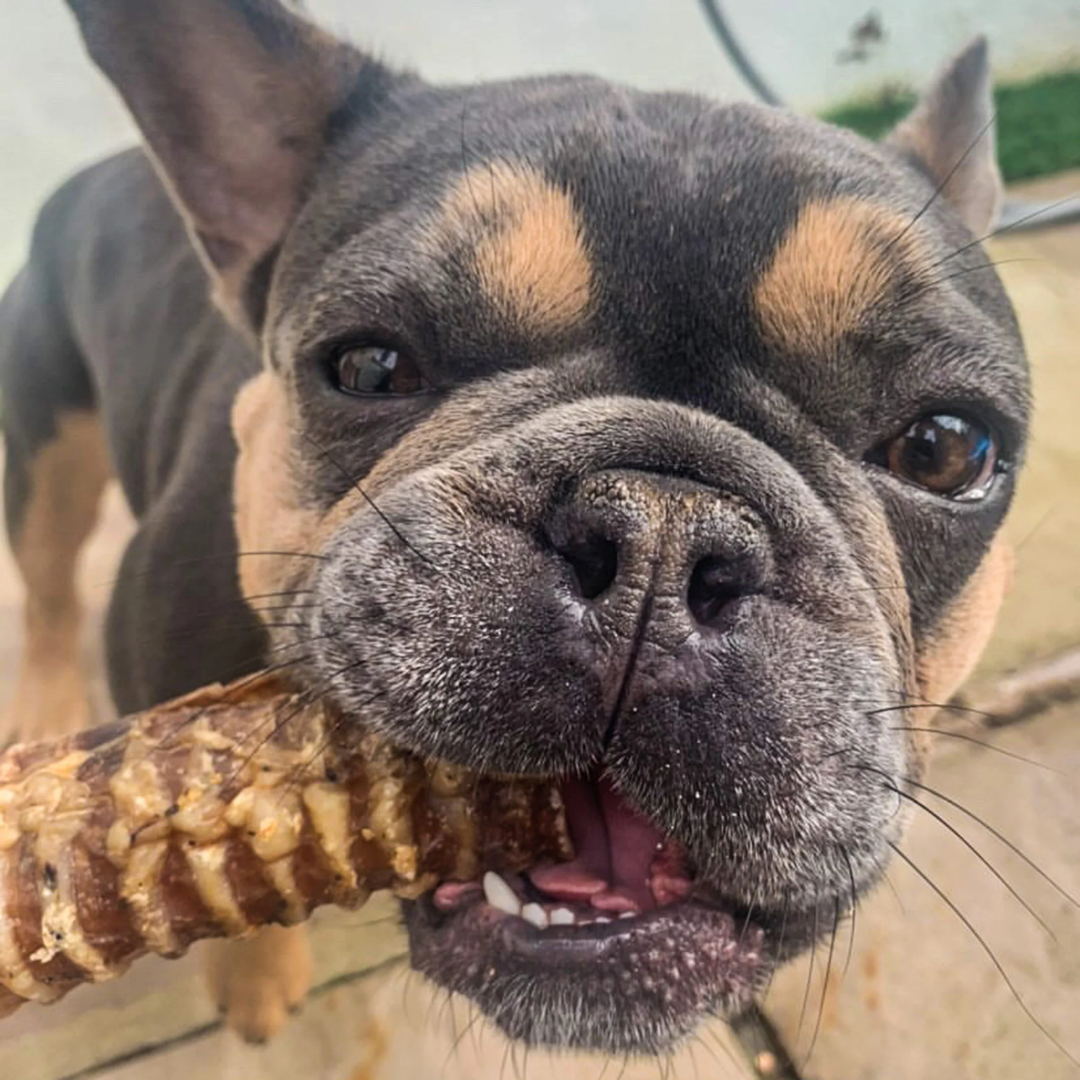
Enrichment is not optional.
It is a biological requirement tied to your dog’s neurological, behavioural, and physiological health.
Domestic dogs still operate with the same core drives as their wild counterparts:
-
Foraging
-
Scavenging
-
Chewing
-
Scent tracking
When these behaviours are suppressed, the nervous system does not simply “switch off”.
It compensates.
This often presents as:
-
Hyperactivity
-
Anxiety
-
Destructive behaviour
-
Excess vocalisation
-
Compulsive patterns
These are not random behaviours.
They are displacement behaviours driven by unmet needs.
The Nervous System: Why Enrichment Creates Calm
To understand enrichment, you need to understand regulation.
Dogs operate between two key nervous system states:
-
Sympathetic (alert, active)
-
Parasympathetic (rest, digest, repair)
Modern pet lifestyles often overactivate the sympathetic state.
Fast walks, constant stimulation, lack of decompression.
Enrichment helps shift the dog into a parasympathetic state.
This is where healing, digestion, and emotional stability occur.
Outdoor Sensory Enrichment: Olfactory Work and Cognitive Load
Dogs process the world primarily through olfaction.
Their olfactory system is significantly more developed than humans.
-
Up to 300 million olfactory receptors
-
Large portion of the brain dedicated to scent processing
When a dog engages in sniffing behaviour:
-
The brain activates problem-solving pathways
-
Dopamine is released
-
Cortisol levels decrease over time
This is measurable.
Studies show that scent-based activities reduce stress markers more effectively than physical exercise alone.
Why “Sniff Walks” Work
A standard walk often prioritises movement.
A sensory walk prioritises information processing.
This creates:
-
Mental fatigue without physical exhaustion
-
Improved behavioural regulation
-
Reduced reactivity
Practical application:
-
Slow the pace
-
Allow choice and direction
-
Encourage investigation of environments
-
Introduce novelty (new locations, surfaces, scents)
You are not just walking your dog.
You are allowing them to process their environment.
Food-Based Enrichment: Activating the Foraging System
Feeding from a bowl removes a critical behavioural sequence.
In the wild, feeding involves:
-
Searching
-
Locating
-
Processing
-
Consuming
This sequence activates reward pathways in the brain.
When removed, dogs lose:
-
Mental stimulation
-
Dopamine-driven satisfaction
-
Behavioural fulfilment
This is why many dogs finish meals and still appear restless.
The Science of Foraging
Foraging behaviour:
-
Activates the SEEKING system (dopamine-driven)
-
Increases engagement and focus
-
Reduces frustration behaviours
Simple changes can restore this:
-
Scatter feeding
-
Food puzzles
-
Chew-based feeding
Chewing: A Direct Pathway to Nervous System Regulation
Chewing is one of the most underutilised tools in canine care.
It is not just mechanical.
It is neurochemical.
When a dog chews:
-
Endorphins are released
-
Serotonin pathways are supported
-
Jaw movement stimulates calming responses
-
Cortisol levels decrease
This creates a self-soothing effect.
It is comparable to repetitive calming behaviours in humans.
Why Natural Chews Work Better
Ultra-processed treats are rapidly consumed.
They provide minimal engagement.
Natural chews:
-
Extend chewing duration
-
Increase sensory input (texture, smell, resistance)
-
Support dental abrasion
-
Maintain behavioural engagement
Duration matters.
The longer the engagement, the greater the regulatory effect.
Functional Enrichment with Nooch Pets Chews
Each chew provides a different type of stimulation and physiological benefit.
This is where enrichment becomes targeted, not random.
Moo Tubes: High-Engagement, Long-Duration Chewing
Moo Tubes provide sustained resistance.
This creates:
-
Extended chewing time
-
Prolonged endorphin release
-
Deep nervous system regulation
They are ideal for:
-
High-drive dogs
-
Post-stimulation wind-down
-
Independent calming sessions
This is not just a chew.
It is a regulation tool.
Duck Feet: Crunch-Based Sensory Feedback
Duck Feet offer a different mechanical experience.
-
Rapid crunching
-
Short bursts of engagement
-
Natural glucosamine content
This type of chew:
-
Stimulates jaw activation
-
Provides quick satisfaction
-
Supports joint health
Useful for:
-
Daily enrichment
-
Rotation to prevent monotony
Shark Stix: Nutrient-Dense, Moderate Duration
Shark Stix combine chewing with functional nutrition.
-
Rich in omega fatty acids
-
Supports skin and coat
-
Provides moderate chew time
This creates a dual benefit:
-
Behavioural engagement
-
Physiological support
Best used for:
-
Structured enrichment sessions
-
Post-walk decompression
Kanga Flappers: Lean Protein, Novel Texture
Kangaroo provides a unique protein source.
-
Low fat
-
High digestibility
-
Distinct texture
Novel proteins increase engagement due to unfamiliarity.
This supports:
-
Mental stimulation
-
Dietary diversity
-
Reduced risk of sensitivities
Building a Neurologically Balanced Routine
Consistency drives results.
You are not adding random activities.
You are meeting biological needs.
Example structure:
Morning
-
Sensory walk focused on sniffing
-
Light food enrichment
Midday
-
Short chew session (Duck Feet or Kanga Flappers)
Evening
-
Longer chew (Moo Tube or Shark Stix)
-
Nervous system wind-down
This creates a full behavioural cycle.
Measurable Outcomes of Proper Enrichment
When enrichment aligns with biology, you will observe:
-
Reduced cortisol-driven behaviours
-
Improved emotional regulation
-
Better sleep patterns
-
Increased focus and trainability
-
Decrease in compulsive behaviours
This is not behavioural “training”.
It is physiological balance.
Where Most Pet Parents Go Wrong
-
Over-reliance on physical exercise
-
Lack of mental stimulation
-
Feeding without engagement
-
Using low-quality, fast-consumed treats
Exercise alone does not regulate the nervous system.
Stimulation without fulfilment creates frustration.
Final Thought
Enrichment is not about keeping your dog occupied.
It is about completing behavioural cycles that your dog is biologically driven to perform.
So ask yourself:
Are you managing behaviour, or meeting the needs that drive it?


