
The Real Talk on Worming: Natural Prevention, Chemical Options, and What Your Dog Actually Needs
The Real Talk on Worming
Natural Prevention, Chemical Options, and What Makes Sense for Your Dog
Let’s talk honestly about worming.
Not the panic version.
Not the “just give this every month” version.
The balanced version.
Because you deserve to understand:
-
What conventional wormers do
-
What natural prevention can do
-
Where each fits
This is not about extremes.
It is about informed choice.
The Conventional Worming Approach
Most dogs are placed on routine chemical wormers.
Common products in Australia include:
-
Drontal
-
Milbemax
-
Interceptor
-
NexGard Spectra
-
Sentinel Spectrum
These products are designed to:
-
Kill roundworm
-
Kill hookworm
-
Kill whipworm
-
Prevent heartworm
-
In some cases, also treat fleas
They are effective at killing parasites.
That is what they are designed to do.
But they work by disrupting the nervous system or metabolic processes of the parasite.
Which means they are biologically active compounds.
For some dogs, in some situations, this intervention is appropriate.
The real question is:
Does your dog need it routinely without assessment?
A Smarter First Step: Test, Don’t Guess
Before defaulting to monthly worming, ask:
-
Has my dog had a recent faecal test?
-
What is their actual exposure risk?
-
Are they showing symptoms?
Routine faecal testing allows you to treat when needed rather than treating “just in case”.
This approach reduces unnecessary chemical load.
It also respects your dog as an individual.
Where Natural Prevention Fits In
Natural worming is not about ignoring parasites.
It is about:
-
Supporting gut health daily
-
Making the internal environment less favourable to worms
-
Strengthening immune resilience
-
Assisting natural elimination
Parasites are opportunistic.
They tend to gain traction when:
-
The gut microbiome is imbalanced
-
Stools are inconsistent
-
Inflammation is present
-
Immunity is compromised
If you improve the terrain, you reduce opportunity.
Daily Gut Support Matters
Strong digestion is your first defence.
If your dog:
-
Scoots often
-
Has soft or inconsistent stools
-
Struggles with recurring gut issues
You start there.
Boot the Scoot Meal Enhancer
Daily digestive support helps:
-
Improve stool quality
-
Support fibre balance
-
Encourage proper elimination
-
Maintain anal gland health
Healthy, well-formed stools help move waste and unwanted organisms through the gut effectively.
Worm prevention begins with function.
Functional Foods That Support Prevention
Food can play a preventative role when used intentionally.
Pumpkin Seed and LSA (Boot the Scoot Meal Enhancer)
Pumpkin seeds have traditionally been used in parasite protocols.
When freshly ground and added to meals, they:
-
Provide fibre
-
Support motility
-
May help dislodge parasites from the intestinal lining
LSA contributes:
-
Additional fibre
-
Beneficial fats
-
Digestive support
This is not a stand-alone cure.
It is part of a layered strategy.
Strategic Herbal Support
There are times when you may want a more targeted natural approach.
Natural Worming Oil
Black Walnut Hull and Wormwood
These herbs have long histories in traditional parasite management.
Used short term, they may:
-
Create an unfavourable environment for worms
-
Support natural elimination
-
Act as a seasonal cleanse
This is not something you use continuously.
It should be:
-
Used thoughtfully
-
Given for defined periods
-
Avoided in very young, pregnant, or medically complex dogs without guidance
Natural still requires responsibility.
Don’t Forget Ancestral Biology
Dogs evolved eating whole prey.
That includes fur.
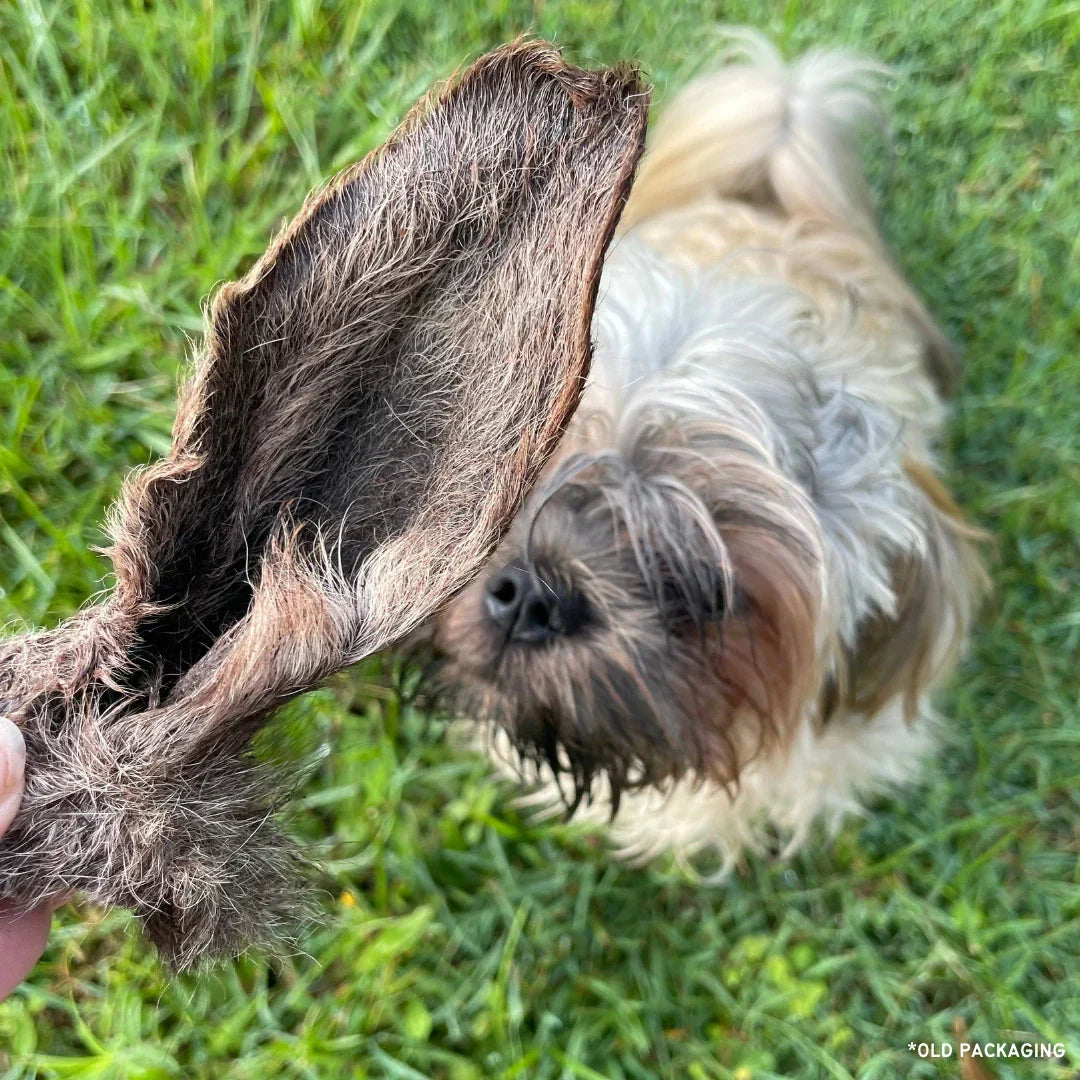
Kanga Flappers – Furry Kangaroo Ears
Fur acts as natural roughage.
It can:
-
Add stool bulk
-
Support gentle mechanical cleansing
-
Assist digestive movement
This mimics a more biologically appropriate pattern of eating.
It is simple.
It makes sense.
It supports the whole system.
When Chemical Worming Is Appropriate
There are situations where conventional wormers are the right choice.
For example:
-
Confirmed heavy worm burden
-
Symptomatic infection
-
High-risk environments
-
Young puppies
In these cases, targeted treatment may be necessary.
The difference is this:
Use chemicals when needed.
Not automatically.
A Practical Natural-First Framework
If you want a balanced approach:
-
Run regular faecal testing
-
Support the gut daily
-
Use functional foods consistently
-
Introduce seasonal herbal support if appropriate
-
Use conventional wormers when testing or symptoms indicate
This approach reduces unnecessary exposure while maintaining protection.
The Bigger Question
Are you trying to:
-
Reduce chemical load?
-
Build stronger immunity?
-
Support long-term gut health?
-
Make more informed decisions?
If so, natural prevention deserves a place in your strategy.
Your dog is not a standard protocol.
They are an individual with:
-
A unique microbiome
-
A unique environment
-
A unique level of resilience
At Nooch Pets, we believe in combining science with nature.
We believe in prevention before reaction.
And we believe you should understand every option before you choose it.
Because when it comes to your dog’s health, informed decisions always win.


